Robotaxi Service Tier Rankings 2026 - City-by-City Autonomous Ride Analysis
Waymo, Cruise, Tesla and more - which cities lead the robotaxi revolution in 2026? A tier-based analysis of safety, pricing and service quality.
Autonomous Driving Era City Rankings: RoboTaxi Service Tier 2026
Have you ever imagined a future where, when you set out, you can travel safely and conveniently to your destination without even touching the steering wheel? As of 2026, that imagination is no longer a story in a science fiction novel. Robo-taxi services are already available in several US cities, and the competition is intensifying. Did you know that robo-taxi-related investments exceeded 2 trillion won in 2025? This is not simply a matter of technological advancement but the beginning of a transformative change that has the potential to completely transform a city's economy, transportation system, and our daily lives.
So, how will robo-taxi services be evaluated by city in this new era? Moving beyond simply "does it run or not," we will examine the robo-taxi services as of 2026 in tiers, considering safety, price, and user experience.
How Far Has RoboTaxi Come?
Various companies, including Tesla, Waymo, Cruise, and China’s Baidu Apollo, are developing autonomous taxi services. Waymo is leading in terms of safety and technological maturity, while Tesla is pushing an ambitious plan under the name "RoboTaxi." However, the quality and expansion rate of services vary greatly depending on each company's strategy and technology level, as well as the regulatory environment of each city. Notably, in recent years, Waymo has expanded its services to four new cities, including Miami, increasing its market share. In contrast, Tesla is still facing difficulties in commercializing robo-taxi services and is lagging behind competitors.
S Tier: Cities Leading the Way, Waymo’s Dominance
[IMAGE: waymo-san-francisco | https://waymo.com]
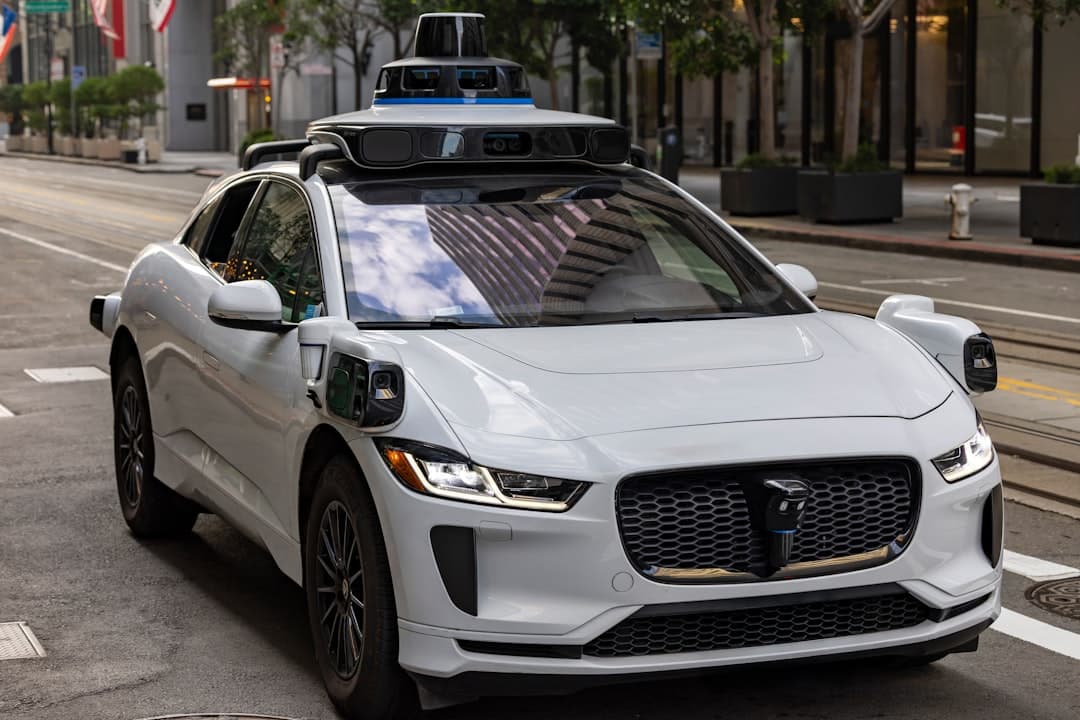
San Francisco, where Waymo provides services, can be said to be at the forefront of robo-taxi services. Thanks to California's proactive deregulation policy, Waymo is operating services relatively freely and accumulating data. Waymo's robo-taxis boast excellent safety and reliability, and users consistently give positive reviews. In particular, Waymo’s strength lies in the fact that it can easily and conveniently utilize services through an app called "Waymo One." Of course, prices are relatively high compared to other services, but that also guarantees a high level of safety and quality. In addition to San Francisco, Miami is also a representative city demonstrating Waymo's successful service expansion.
A Tier: Cities Showing Potential
[IMAGE: tesla-austin | https://www.tesla.com/robotaxi]
Austin, Texas, is a city where Tesla's robo-taxi service is being piloted. Tesla provides robo-taxi services based on its electric vehicles and is collecting data for the development of autonomous driving technology. However, it is not yet at the fully autonomous stage and often requires human intervention. Dallas and Houston are also slated to launch Tesla's robo-taxi services soon, which is expected to play an important role in the growth of the robo-taxi market in the state of Texas. However, Tesla’s robo-taxi is generally considered to be lacking in safety compared to Waymo.
[IMAGE: cruise-bay-area | https://www.cruise.com]
Cruise is also providing robo-taxi services in the Bay Area and competing with Waymo. Cruise’s vehicles are smaller than Waymo's and designed to better adapt to complex urban environments. However, Cruise has also experienced service suspension due to safety issues, which is a factor undermining public trust in robo-taxi services.
B Tier: Cities with High Growth Potential
Phoenix is a city that actively supports the development of autonomous driving technology and has a high potential for robo-taxi service adoption. However, it is still in the early stages and requires the construction of related infrastructure and the preparation of regulations. In addition, discussions are underway in several other cities to introduce robo-taxi services, but it is expected that it will take considerable time before they are commercialized.
C Tier: Cities Where the Future is Still Distant
Most cities are currently lacking in preparation for introducing robo-taxi services. There are many challenges to overcome, such as regulatory environment, infrastructure shortage, and technical issues. However, along with the development of autonomous driving technology, robo-taxi services will eventually permeate the daily lives of all cities.
The future of robo-taxis is bright. However, successful commercialization requires solving three challenges: ensuring safety, securing price competitiveness, and improving user experience. Each city and company will continue to work to solve these challenges, and the future transportation system of cities will become safer and more convenient. Waymo's successful service expansion, as well as the efforts of other companies including Tesla, will bring that future closer. Perhaps, in 5 years or 10 years, we may be riding in robo-taxis and safely traveling to our destinations in even more cities.