2026 AI Infrastructure Cloud Providers Ranking - From GPU to Sovereign AI
In the era of Sovereign AI as a national competitiveness factor, we compare AWS, Azure, GCP, Oracle Cloud, and other AI infrastructure providers by performance, pricing, and security in S-C tier rankings.
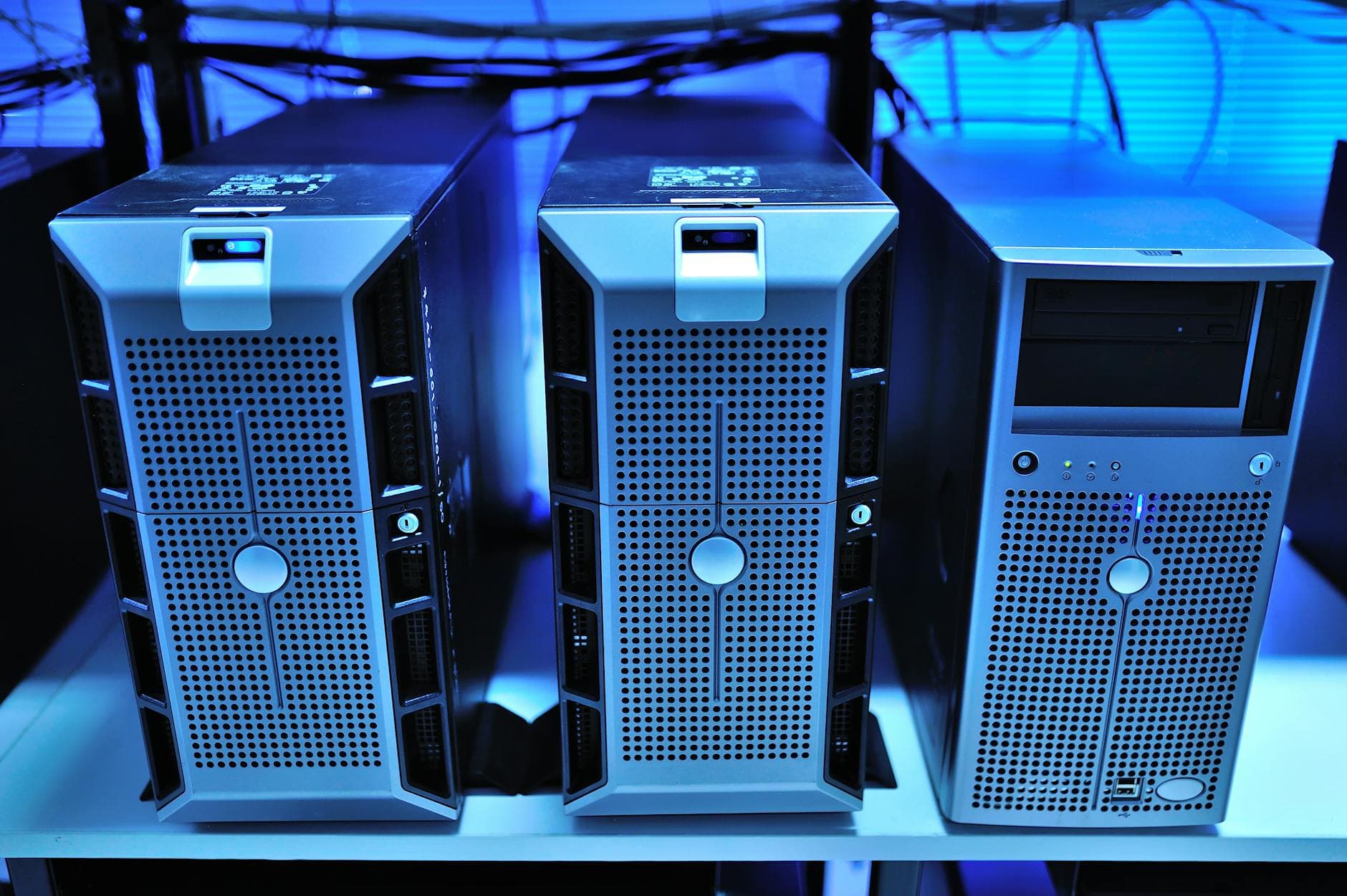
2026 AI Infrastructure Cloud Provider Rankings - From GPUs to Sovereign AI
Do you know how much time it currently takes to secure GPU resources for training AI models? 2026 is just around the corner. Just a few years ago, cloud GPUs were relatively easy to obtain, but the situation has completely changed now. Especially with the emergence of a new keyword, 'sovereign AI,' the landscape of the cloud infrastructure market has become unpredictable. With countries increasingly striving to secure AI technology and achieve self-sufficiency, competition for cloud GPU resources has become even more fierce. Today, we will examine which cloud providers are leading the AI infrastructure market as of 2026, and we'll look in detail at their respective features and pros and cons.
Why is Sovereign AI Important Right Now in 2026?
Sovereign AI goes beyond simply developing AI technology internally; it means controlling the entire process, from data storage and processing to model training, within one’s own country. Countries in the United States, Europe, and Southeast Asia are already undertaking sovereign AI projects, and India plans to build NVIDIA-certified AI data centers in Mumbai, Dubai, and Saudi Arabia by 2026. This is an effort to reduce dependence on U.S. cloud providers and secure data security and technological sovereignty. In any case, these developments have brought significant changes to the overall AI infrastructure market and have further exacerbated the shortage of GPU resources. High-performance GPUs like the H100 and B100 are incredibly difficult to get… Honestly, if you're starting an AI project now, you need to carefully select a cloud provider.
S Tier: Leaders Providing Dominant Performance and Stability
CoreWeave: While not widely known, this company is a GPU cloud provider specializing in AI/ML workloads, boasting top-tier performance and price competitiveness. It generously provides NVIDIA A100 and H100 GPUs and is praised for building infrastructure specifically optimized for large-scale model training. A major advantage is that you can use high-performance GPUs at a relatively lower cost compared to other cloud services. The price-performance ratio is truly outstanding, making it a top choice for AI teams with limited budgets. [IMAGE: CoreWeave | https://www.coreweave.com/]
AWS (Amazon Web Services): True to its status as the dominant force in the cloud market, it offers a wide range of GPU options and various services. By equipping EC2 instances with NVIDIA A100 and H100 GPUs, it can respond to a variety of AI/ML workloads. However, its price competitiveness is somewhat lacking compared to other competitors. Particularly, when considering sovereign AI, you need to carefully review data location and security policies. [IMAGE: AWS | https://aws.amazon.com/ko/]
A Tier: Strong Competitors with Robust Performance and Diverse Features
Azure (Microsoft Azure): Its strength lies in its integration with Microsoft's powerful AI/ML platforms. It provides NVIDIA A100 and H100 GPUs and is particularly suitable for large-scale data analysis and model deployment. Like AWS, its price competitiveness can be relatively weak, but using it in conjunction with other Microsoft services can create synergy. [IMAGE: Azure | https://azure.microsoft.com/ko-kr/]
Google Cloud: It boasts excellent compatibility with Google’s AI/ML frameworks such as TensorFlow. It provides NVIDIA A100 GPUs and excels in deep learning model training and deployment. Furthermore, you can experience faster training speeds by utilizing TPUs (Tensor Processing Units). However, a drawback is that the variety of GPU types may be limited compared to other providers. [IMAGE: Google Cloud | https://cloud.google.com/]
B Tier: Reasonable Prices and Options Suitable for Specific Purposes
Lambda Labs: It provides both GPU cloud and hardware sales, allowing you to rent NVIDIA A100 and H100 GPUs. The price is relatively low, but stability and support may be lacking compared to other major cloud providers. It's suitable for beginners or personal projects. [IMAGE: Lambda Labs | https://lambdalabs.com/]
RunPod: This is a P2P GPU rental marketplace that provides affordable GPU resources to individuals and small teams. However, GPU performance and stability may not be guaranteed, and there are concerns about security. It’s suitable for experimental projects or short-term tasks. [IMAGE: RunPod | https://www.runpod.io/]
OVHcloud: This is a European-based cloud provider that emphasizes competitive pricing and data security. It provides NVIDIA A100 GPUs and is particularly suitable for users in Europe. [IMAGE: OVHcloud | https://www.ovhcloud.com/kr/]
C Tier: Limited Features and Niche Market Targeting
Platforms like Vast.ai and Cloud4U exist to serve users with specific needs. However, they may lack overall performance, stability, and support compared to other cloud providers. Therefore, unless you have special requirements, they are not suitable for general AI/ML workloads.
Honestly, the AI infrastructure market in 2026 is changing very rapidly. The information mentioned above is an analysis as of the current time, and new cloud providers may emerge or the services of existing providers may change in the future. Therefore, before selecting a cloud service, you must carefully consider various factors and make the choice that is most appropriate for your project. In any case, the most important thing is to stay abreast of the ever-changing market situation and learn new technology trends. Only then can you avoid falling behind and ride the wave of AI innovation.