Nvidia G-Sync Pulsar vs AMD FreeSync - 2026 Motion Blur Elimination Tech
Tier analysis of Nvidia's G-Sync Pulsar and AMD FreeSync Premium Pro by motion blur, input lag, and compatibility.
Nvidia G-Sync Pulsar vs AMD FreeSync Premium Pro - 2026 Motion Blur Removal Technology: Is Your Gaming Experience Truly Optimized?
Do you ever experience moments where you miss a fleeting movement, leading to a game over, or where sharp images appear blurry, hindering your ability to make accurate judgments? This is a common frustration for many gamers. In 2026, display technology has made incredible advancements, but 'motion blur' remains a significant factor hindering the gaming experience. So, does Nvidia’s G-Sync Pulsar solve this problem, and what differences does it offer compared to AMD FreeSync Premium Pro? Let's analyze it honestly from the perspective of a discerning reviewer.
G-Sync Pulsar and FreeSync Premium Pro: Core Technology Comparison
Let's first examine the core of each technology. AMD's FreeSync Premium Pro is based on Adaptive-Sync technology, synchronizing the GPU's generated frames with the monitor's refresh rate to prevent screen tearing and reduce input lag. Notably, FreeSync Premium Pro requires HDR support and a low frame rate compensation (LFC) feature, enhancing the gaming experience.
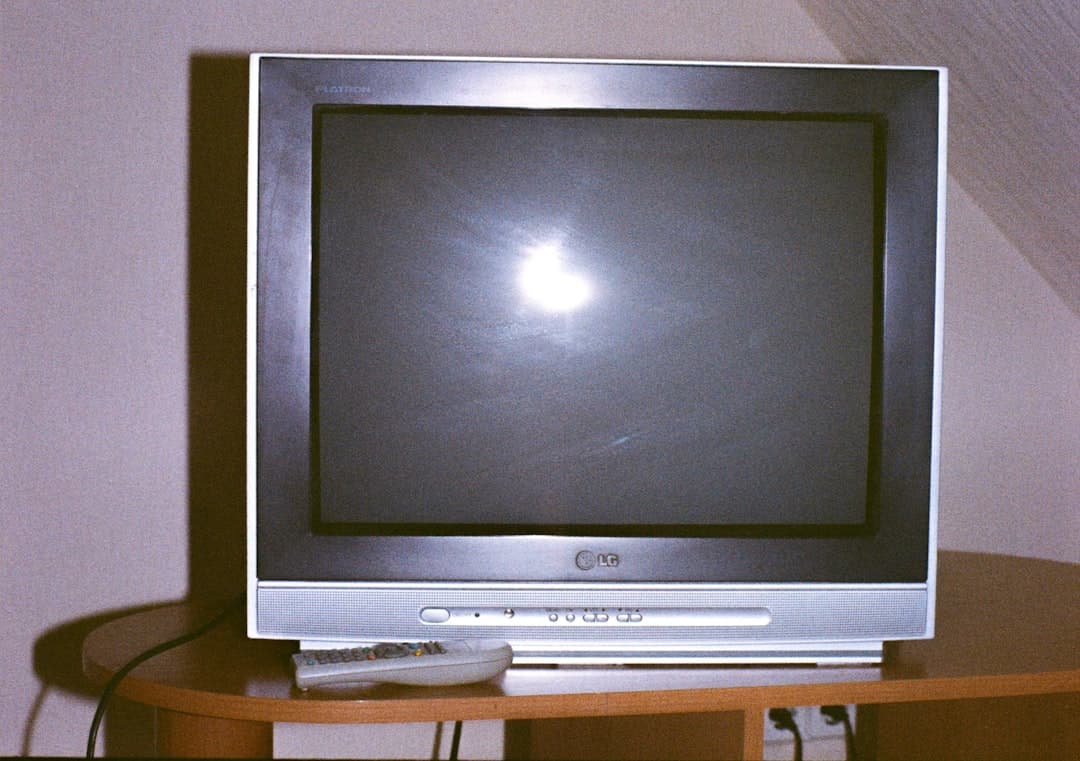
However, neither of these technologies eliminates 'motion blur' itself. This is where Nvidia’s G-Sync Pulsar comes into play. G-Sync Pulsar takes a completely different approach. It goes beyond simply synchronizing the refresh rate, strobing the backlight to virtually boost the refresh rate up to 1000Hz. This process removes Sample-and-Hold blur, delivering much clearer and faster motion. This has become the new standard as of 2026, and is even praised for recreating the clarity of CRT monitors.
Motion Blur Removal Performance: G-Sync Pulsar’s Overwhelming Advantage
Test results show that G-Sync Pulsar has an overwhelming advantage in motion blur removal performance compared to FreeSync Premium Pro. Professional review outlets like Digital Foundry and Hardware Unboxed have also confirmed this. While FreeSync Premium Pro maintains consistent performance across the entire screen, G-Sync Pulsar adjusts overdrive based on position and refresh rate, providing even clearer images. In other words, it truly shines in FPS games where fast movements are prevalent. Nvidia claims this technology maximizes 'Effective Motion Clarity,' and the perceived performance is indeed outstanding.
Input Lag: FreeSync Premium Pro's Minimal Advantage
In terms of input lag, FreeSync Premium Pro has a slight advantage. The strobing method used by G-Sync Pulsar can inevitably introduce a small amount of additional delay. However, this difference is extremely minimal and unlikely to be noticed by most gamers. Furthermore, premium G-Sync Pulsar monitors undergo optimization to minimize this delay.
Compatibility (GPU, Monitor Price Range): FreeSync Premium Pro's Wider Selection
Compatibility favors FreeSync Premium Pro. It supports gamers using AMD GPUs and is available on a wide range of monitor price points. Conversely, G-Sync Pulsar requires use with Nvidia GPUs and is primarily applied to monitors with ultra-high refresh rates, making them more expensive. This is the sole disadvantage of G-Sync Pulsar.
Tier Ranking (S~D Grade)
Motion Blur Removal: S / B
Input Lag: B / A
Compatibility: C / A+
Price Range: D / B
Overall Performance: A / B+
S: Overwhelming performance, sets a new standard
A: Excellent performance, high satisfaction
B: Decent performance, a reasonable choice
C: Needs improvement, limited performance
D: Low performance, not recommended
Practical Recommendations: Genre-Specific Custom Recommendations
- FPS: G-Sync Pulsar – Fast reaction speed and clear screen are the keys to victory
- RPG: FreeSync Premium Pro – Sufficient to enjoy vast backgrounds and delicate expressions
- Racing: G-Sync Pulsar – Precise movements and fast reaction speed are essential
- MOBA: FreeSync Premium Pro – Wide field of view and teamwork are important
Price-to-Performance Analysis: Is the Investment Worth It?
G-Sync Pulsar monitors are undoubtedly expensive. However, the motion blur removal performance is well worth the investment. Especially for hardcore gamers who enjoy FPS or racing games, it can be the ultimate choice. FreeSync Premium Pro offers a reasonable gaming environment at an affordable price and boasts a wide range of options.
2026 Outlook: The Future of Display Technology
In 2026, display technology will continue to evolve. The G-Sync Pulsar technology will likely be further optimized to improve input lag issues and be supported on less expensive monitors. AMD will also likely develop FreeSync Premium Pro to rival G-Sync Pulsar, providing comparable performance. Competition will motivate even better experiences for gamers.
In conclusion, G-Sync Pulsar and FreeSync Premium Pro each have their strengths and weaknesses. Make a wise choice based on your budget and gaming style.